
Expert Trauma Care at Desert Regional Medical Center
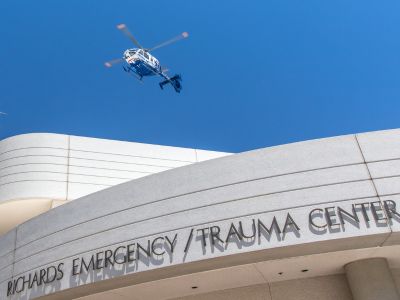
Desert Care Network’s Desert Regional Medical Center is the only Level 1 designated and verified Trauma Center in the Coachella Valley — the highest level possible. Trauma and surgical critical care surgeons are available 24 hours a day for your life-threatening emergency care needs. The center serves an area from Banning and Beaumont to the West, Imperial County to the South, the Arizona border to the East, and Twentynine Palms and the high desert to the North. We also operate two Level 4 Trauma Centers at JFK Memorial Hospital in Indio and Hi-Desert Medical Center in Joshua Tree.
Protect Yourself from the Most Common Traumatic Injuries
Car Crashes
- Always Buckle Up: Ensure everyone in the vehicle is properly restrained at all times.
- Speed Kills: Lower your driving speeds. Higher speeds increase the severity of crashes, leading to greater risk of injury or death.
- Stay Focused: Avoid distracted driving—no texting behind the wheel! Use hands-free devices if you must make a call.
- Don’t Drive Impaired: Never drive under the influence of alcohol or drugs. Use a designated driver, call a friend, or opt for a taxi, ride-share, or public transportation.
- Medication Awareness: "Driving under the influence" includes impairment from some prescription medications, such as narcotics (e.g., Norco) and benzodiazepines (e.g., Valium, Xanax). Always check with your doctor or pharmacist.
Automobile vs Pedestrians
- Sobering Stats: California leads the nation in pedestrian fatalities (NHTSA, July 2024). In 2022, pedestrian deaths climbed to 7,522, with over 67,000 injured—a stark 11% increase from the prior year.
- Pedestrian Safety Tips:
- Walk on sidewalks or designated paths.
- Cross streets only at crosswalks or intersections.
- Be cautious of turning vehicles; look left, right, then left again.
- Use pedestrian crossing buttons to allow extra time.
- Stay visible day and night with bright clothing or reflective gear.
- Be alert for vehicles backing out of driveways or parking spaces.
- Driver Safety Tips:
- Stay alert for pedestrians everywhere, especially at crosswalks and intersections.
- Slow down and yield to pedestrians, especially when turning.
- Always stop at pedestrian crossings or where crosswalk signs are posted.
- Follow speed limits, especially in school zones and neighborhoods.
- Stay focused and avoid distractions, particularly in areas with children.
Falls
- Did You Know? One in four Americans aged 65 and older falls each year, posing a significant risk of serious injury.
- Are You at Risk?
- Have you fallen one or more times recently?
- Do you experience difficulty walking, weakness, or balance issues?
- Are you taking blood pressure or pain medications?
- If you answered "yes" to any of these, you may be at an increased risk for falls.
- Steps to Reduce Fall Risk:
- Manage Your Health: Stay on top of health conditions and schedule regular physical exams, including vision checks.
- Improve Home Safety: Remove tripping hazards like loose rugs and clutter, install safety bars in bathrooms, and ensure proper lighting.
- Review Your Medications: Speak with your doctor or pharmacist about medications that could increase fall risk.
- Stay Active: Engage in exercises that promote strength and balance, such as community classes or activities like Tai Chi.
Injury Prevention and Education
For general trauma and injury prevention education or to participate in hands-on classes like Stop the Bleed, contact our Community Coordinator.
Explore available classes at Desert Care Network – Classes and Events.