
Primary Care

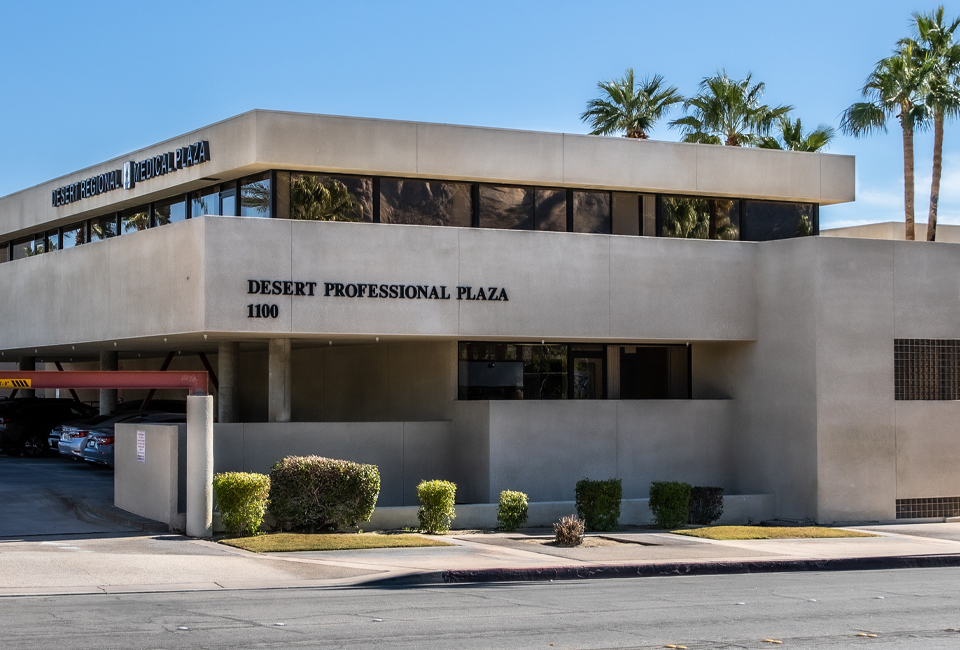
Our Primary Care services in Palm Springs include:
- Allergy and immunology
- Asthma and COPD
- Chronic disease
- Family medicine
- Newborn circumcisions
- Pediatric care for infants, children and adolescents
- Primary care
- PrEP and STI screening/treatment
- Preventative medicine
- Weight management
- Wellness visits
Contact Us For More Information
To better explain a residency program and to help you know what to expect at your first appointment, we’ve answered some common questions below.
In most teaching hospitals, attending physicians have two primary responsibilities: patient care and the education of medical students and lesser-experienced physicians. Attending physicians must be familiar with each patient under their care and must regularly check the patient’s status and care plan.
However, the attending physician may not personally perform all aspects of the patient’s medical care. In many facilities, attending physicians will visit their patients daily with a group of medical students, interns and residents. A resident may be asked to summarize the patient’s condition, assess the patient, and make recommendations for treatment, including new medications or imaging tests. The attending physician may (or may not) physically assess the patient.
From there, the attending physicians will evaluate the resident’s recommended plan of care; ask additional questions, if necessary; provide relevant information and expert advice; and help the resident determine the plan of care.
Attending physicians also demonstrate and teach students and residents how to perform medical procedures, such as inserting a central line or performing gallbladder surgery.
Residents work at hospitals or doctors' offices to continue their education and training in a specialized field of medicine. A resident may work like this for three to seven years, a period known as residency.
During their residency, doctors provide direct care. This includes diagnosing, managing and treating health conditions. Supervising doctors as well as senior residents in a medical facility supervise each resident. Junior residents generally start with more supervision and less complicated tasks. Responsibilities increase as residents gain education and experience.
Residents can also work in outpatient clinics or doctor's offices, during examinations and treatments. Residents in doctors’ offices also spend time with patients’ families and coordinate services with other members of a patient’s health care team.
Seeing a resident can be beneficial because they often have more time to spend with patients, are up-to-date on the latest medical information, and provide the advantage of a "second pair of eyes" from their supervising attending physician. Patients also play a role in training the next generation of doctors, and this can lead to more comprehensive care through the combined knowledge of both the resident and their supervising physician.
Benefits for the patient
- More time: Residents may have more time to dedicate to a patient visit, allowing for more in-depth discussions about a health concern.
- "Second pair of eyes:” Since residents work under the supervision of experienced attending physicians, a patient's case is reviewed by two qualified professionals, which can lead to a more accurate diagnosis and treatment plan.
- Current care: Residents are actively studying to become board-certified, which keeps them informed on the latest medical research, technology, and best practices.
- Holistic approach: Residents are focused on a comprehensive understanding of a patient's overall health, which can lead to better treatment plans for complex conditions.
- Continuity of care: In some cases, seeing a resident can lead to a more consistent and personal relationship as they are part of a teaching hospital or clinic.
- Community impact: By seeing a resident, you are helping to train a new doctor who may go on to serve the community or even your own family in the future.
Family Medicine
We focus on treating the patient, not just the disease. A dedication to excellence is evident in every aspect of our practice, from prevention to diagnosis and from treatment to follow-up care. The highest level of quality and concern is made possible through our philosophy of compassionate and personalized care using the latest technological advances available. For these reasons, patients travel to visit our providers from all over the area.
Family Medicine physicians take care of your entire family. This includes newborns, children, adolescents, adults and seniors. Your physician can provide preventative care, acute care and health education for all ages. This includes minor surgery and removal of skin lesions. All of our Family Medicine physicians are available to take care of you and your family’s medical needs.
Services:
- Same-day appointments for minor injuries
- Routine checkups and screenings for specific health concerns
- Immunizations
- School and Sports Physicals
- Management of chronic illness or conditions
- Men’s Health
.jpg?sfvrsn=d3383b88_2)